Plastic Slatted Floor for Poultry
As the global poultry industry continues to shift toward animal welfare, environmental sustainability, and efficient farm management, the free cage chicken house system is becoming increasingly popular. In this housing model, floor design plays a critical role in bird health, hygiene control, and overall production performance.
Among various flooring options, plastic slatted floor for poultry has emerged as one of the most reliable and widely adopted solutions for modern free-range and cage-free layer farms. This article explores its application, advantages, and key factors influencing plastic slatted floor for poultry price, helping poultry farmers make informed investment decisions.

What Is a Plastic Slatted Floor for Poultry?
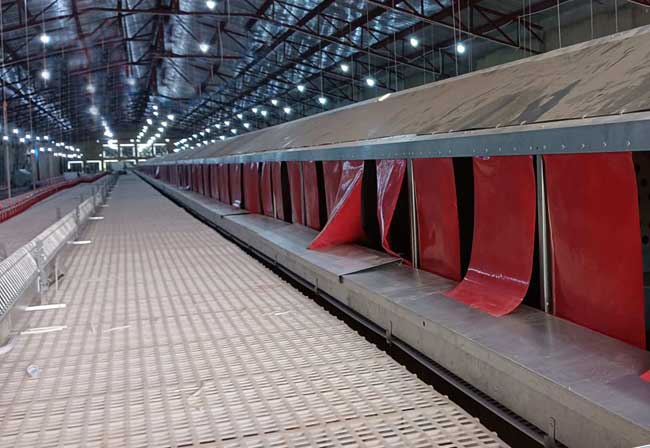
A plastic slatted floor for poultry is a specially designed flooring system made from high-strength plastic materials such as PP (polypropylene) or HDPE. The floor panels feature slotted or grid structures that allow manure to fall through efficiently into manure pits or belt systems below.
In a free cage chicken house, plastic slatted floors are commonly installed in:
- Activity areas.
- Feeding and drinking zones.
- Under perches and resting platforms.
- Around nest box entrances.
This structure effectively separates chickens from manure, creating a cleaner and healthier living environment.
Why Plastic Slatted Floor Is Ideal for Free Cage Chicken Houses
1. Improved Hygiene and Disease Control
In cage-free systems, birds move freely across the house. Traditional solid floors or litter systems often lead to manure accumulation, wet surfaces, and higher disease risk.
With a plastic slatted floor for poultry, most manure drops immediately through the slats, significantly reducing:
- Direct contact between birds and manure.
- Bacterial growth and parasite spread.
- Ammonia levels inside the chicken house.
This results in a healthier flock and lower veterinary costs.
2. Compliance with Animal Welfare Standards
Modern poultry welfare standards emphasize comfort, safety, and natural behavior. Plastic slatted floors are designed to be:
- Anti-slip and foot-friendly.
- Smooth-edged to prevent injuries.
- Slightly flexible to reduce leg stress.
These features make plastic slatted floor for poultry suitable for long-term use in free cage chicken houses that target international welfare regulations.
3. Cleaner Eggs and Higher Market Value
Egg cleanliness is a major concern in cage-free egg production. By keeping birds away from manure, plastic slatted floors help:
- Reduce egg contamination.
- Lower egg breakage rates.
- Improve overall egg appearance.
Cleaner eggs require less post-processing and are more competitive in premium egg markets.
4. Reduced Labor and Operating Costs
Compared with litter-based systems, plastic slatted flooring offers:
- Less frequent manual cleaning.
- Compatibility with automatic manure removal systems.
- Lower long-term maintenance requirements.
Over time, farms benefit from reduced labor input and more stable production conditions.

Typical Floor Design in a Free Cage Chicken House
In practice, plastic slatted floor for poultry is often integrated with:
- Manure belt or manure pit systems.
- Automatic feeding and drinking lines.
- Perches and nesting systems.
- Ventilation and environmental control equipment.
A balanced design may combine plastic slatted areas with limited litter zones to optimize both welfare and cost efficiency.
Plastic Slatted Floor for Poultry Price: What Influences the Cost?
Many poultry farmers are concerned about plastic slatted floor for poultry price, but pricing depends on several key factors.
1. Material Quality and Load Capacity
- Standard plastic vs. reinforced high-strength plastic.
- UV-resistant and anti-aging materials.
- Weight-bearing capacity for high stocking density.
Higher material quality usually means a higher initial price but a longer service life.
2. Panel Size and Structural Design
- Panel dimensions and thickness.
- Slot width and opening ratio.
- Reinforcement rib design.
More durable and complex designs naturally affect the plastic slatted floor for poultry price.
3. Project Scale and Customization
- Small farms vs. large commercial free cage chicken houses.
- Customized colors, surface textures, or layouts.
- Bulk order quantities.
Large-scale projects typically enjoy more competitive pricing.
4. System Integration and Installation Scope
- Floor panels only
- Floor panels with support structures
- Complete flooring and manure removal solutions
Integrated solutions may cost more upfront but reduce installation time and operational risk.
Long-Term Value of Plastic Slatted Floor for Poultry
When evaluating plastic slatted floor for poultry price, it is important to consider long-term benefits, including:
- Lower disease-related losses.
- Improved egg quality and productivity.
- Long service life (often 10–15 years).
- Better automation compatibility.
From a lifecycle cost perspective, plastic slatted flooring is a cost-effective investment for modern poultry farms.
Who Should Choose Plastic Slatted Flooring?
Plastic slatted floor for poultry is especially suitable for:
- Newly built free cage chicken houses.
- Farms upgrading from traditional cage systems.
- Export-oriented egg production projects.
- Large-scale commercial layer farms.
In today’s cage-free poultry production systems, plastic slatted floor for poultry is no longer optional—it is a key infrastructure component. Proper floor selection directly impacts bird welfare, biosecurity, labor efficiency, and farm profitability.
Understanding the technical advantages and pricing factors behind plastic slatted floor for poultry price helps poultry producers build more sustainable and competitive free cage chicken houses.